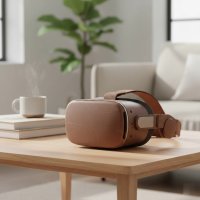
Welcome to the definitive guide on the VR headset Oculus, a name that pioneered the current era of virtual reality. As a VR enthusiast and creator at MNWFC for over a decade, I’ve seen headsets come and go, but the impact of the Oculus line is undeniable. Though the brand name has changed to Meta, the core DNA of innovation remains. Whether you’re a curious newcomer or a seasoned VR veteran, this guide will walk you through everything you need to know about the hardware that brought high-quality, accessible VR to the masses.
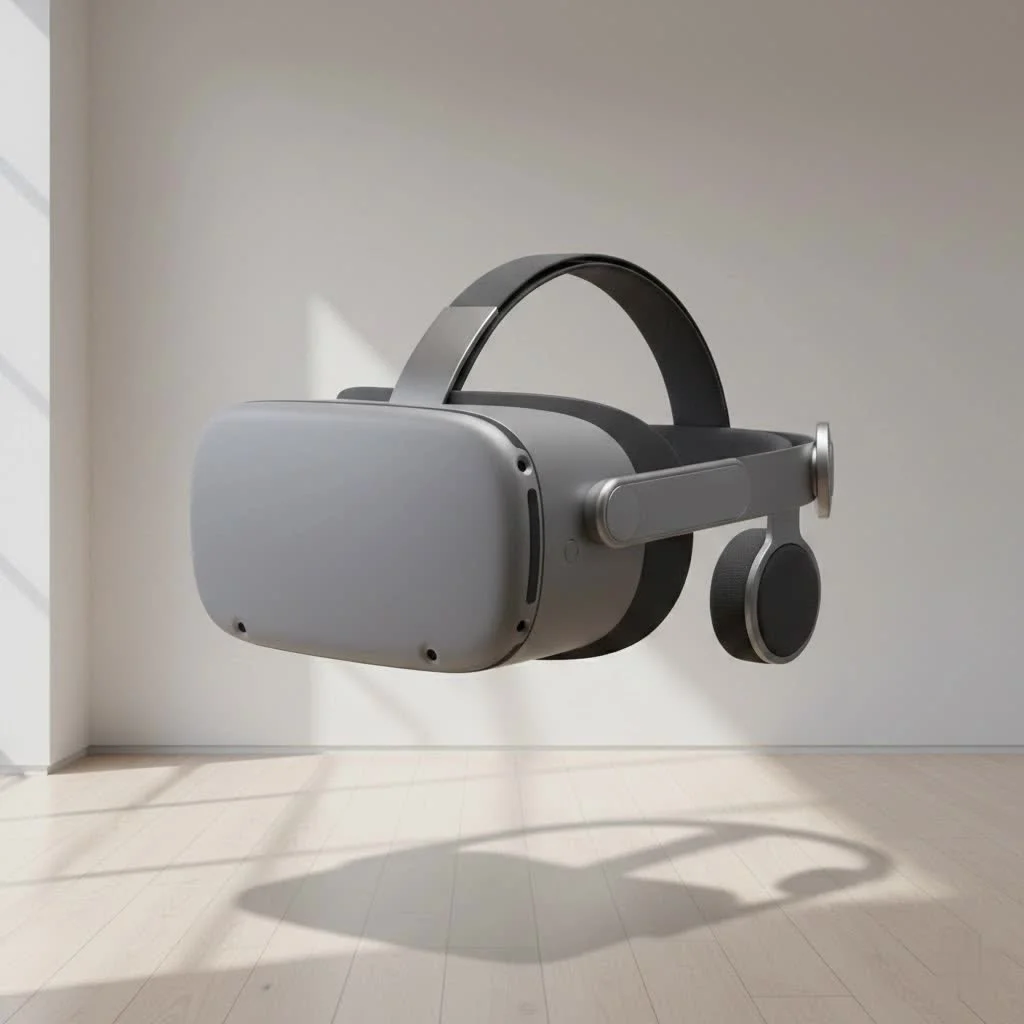
This article will break down the current landscape of what was formerly the Oculus VR headset family, compare the key models, and help you decide which device is the perfect portal for your virtual adventures.
What Happened to the Oculus Brand?
First, let’s clear up the biggest point of confusion. If you’re searching for an “Oculus VR headset,” you’ll be directed to products branded as “Meta Quest.” In late 2021, parent company Facebook rebranded to Meta, and with it, the Oculus brand was retired. The Oculus Quest 2 became the Meta Quest 2, and all future hardware, like the Meta Quest 3, has launched under the new name. While the name is different, the technology and the team behind it are a direct continuation of the Oculus legacy.
“The transition from Oculus to Meta was a strategic move to unify the company’s hardware efforts under one umbrella. For the end-user, the spirit of the original Oculus vision—creating immersive and accessible VR—is still very much alive in the Quest products.” – Dr. Julian Croft, Virtual Reality Analyst
The Standalone Revolution: The Meta Quest Series
The true game-changer for the Oculus line was the shift to standalone VR. Unlike older headsets that required a powerful PC and a web of cables, the Quest series packs everything—processor, storage, tracking, and display—into a single, wireless device. This freedom of movement is what truly unlocks the magic of virtual reality.
The Evergreen Classic: Is the Meta Quest 2 Still Worth It?
The Meta Quest 2 (formerly Oculus Quest 2) was the device that made VR mainstream. It hit the sweet spot of performance, price, and ease of use. Even with a successor on the market, the Quest 2 remains a fantastic entry point into virtual reality.
- Performance: It’s powered by the Snapdragon XR2 chip, which provides enough horsepower to run a massive library of games and experiences smoothly.
- Display: The 1832×1920 per-eye resolution offers a clear and crisp image, significantly reducing the “screen-door effect” seen in older headsets.
- Tracking: Its inside-out tracking is excellent, using four cameras on the headset to monitor the position of your head and the included Touch controllers without any external sensors.
- Value: It is incredibly affordable, often priced significantly lower than its newer counterpart, making it an unbeatable value proposition.
For anyone on a budget or just wanting to dip their toes into the world of VR, the Quest 2 is still a top-tier choice. It shares the same core game library as the Quest 3, so you won’t be missing out on the vast majority of content.
The New Contender: Why the Meta Quest 3 is a Game-Changer
|
Our Picks for the Best VR Headset in 2026
As an Amazon Associate I earn from qualifying purchases.
|
||
| Num | Product | Action |
|---|---|---|
| 1 | PlayStation VR2 (PSVR2) |

|
| 2 | PlayStation VR2 Horizon Call of The Mountain™ Bundle (PSVR2) |
|
| 3 | Oculus Quest 2 VR Headset 128GB Holiday Set - Advanced All-in-One Virtual Reality Headset Cover Set, White |
|
| 4 | Meta Quest 2 — Advanced All-In-One Virtual Reality Headset — 256 GB (Renewed) |
|
| 5 | VR Headset for Phone, Virtual Reality Glasses with Bluetooth Headphones for Adults and Kids Play 3D VR Games Movies (White VR Only) |
|
| 6 | DESTEK V5 VR Headset for Kids w/VR Gamepad, 128 Premium VR apps Included, Anti-Blue Eyes Protected HD Lenses, 110° FOV Virtual Reality Headsets for iPhone, Android Phone- Black |
|
| 7 | FEEBZ 3D VR Headset for Kids 2.0 + Android Remote - for iPhone & Android Phones - with 3D VR Videos & Apps Links - Virtual Reality Goggles Set for Beginners |
|
| 8 | FEEBZ 3D VR Headset for Kids 2.0 + Android Remote - for iPhone & Android Phones - with 3D VR Videos & Apps Links - Virtual Reality Goggles Set for Beginners |
|
| 9 | VR Headset for Nintendo Switch 2 (2025), Switch 2 Virtual Reality VR Glasses with Adjustable HD Lenses and Comfortable Head Strap, Labo VR Kit 3D Goggles for Switch 2 Accessories, White&Blue |
|
| 10 | Oculus Quest 2 Advanced All-in-One Virtual Reality Gmaing VR Headset 128GB Set, White |
|
The Meta Quest 3 is not just an incremental upgrade; it’s a significant leap forward, primarily thanks to its focus on mixed reality (MR).
- Pancake Lenses: The Quest 3 is slimmer and more comfortable due to new pancake lenses, which also provide a sharper image from edge to edge.
- Next-Gen Power: It features a new Snapdragon XR2 Gen 2 chip, offering more than double the graphics performance of the Quest 2. This means games can look better and run smoother.
- Full-Color Passthrough: This is the star of the show. The Quest 3 has high-resolution, full-color cameras that let you see your real-world surroundings. This enables mixed reality experiences where virtual objects interact with your actual room. Imagine playing a board game on your coffee table or having a virtual pet run around your living room.
- Improved Controllers: The Touch Plus controllers are more ergonomic and have ditched the tracking rings, making them feel less bulky.
The Quest 3 is designed for those who want the latest and greatest technology. Its mixed reality capabilities are opening new doors for developers and users alike, blurring the line between the virtual and the real.
Oculus Quest 2 vs. Quest 3: A Head-to-Head Comparison
To make the choice clearer, here’s a direct comparison of the key specifications:
| Feature | Meta Quest 2 | Meta Quest 3 |
|---|---|---|
| Processor | Snapdragon XR2 Gen 1 | Snapdragon XR2 Gen 2 |
| Display Resolution | 1832 x 1920 per eye (LCD) | 2064 x 2208 per eye (LCD) |
| Lenses | Fresnel | Pancake |
| Passthrough | Low-res, Black & White | High-res, Full Color |
| Mixed Reality | Basic | Advanced |
| Form Factor | Thicker Profile | 40% Slimmer Optic Profile |
| Controllers | Touch Controllers (with rings) | Touch Plus Controllers (no rings) |
| Price | More Affordable | Premium Price |
Key Features That Define the Oculus Experience
Beyond the hardware specs, a few core features make the platform so compelling.
The Guardian System
This is a fundamental safety feature. When you first put on your headset in a new space, you “draw” a virtual boundary around your play area. If you get too close to this boundary, a grid-like wall appears in VR, warning you that you’re about to step into the real world and potentially bump into furniture. It’s an intuitive system that gives you the confidence to move freely.
PC VR with Air Link and Quest Link
While the Quest headsets are standalone, they haven’t forgotten their PC VR roots. Using a USB-C cable (Quest Link) or a strong Wi-Fi connection (Air Link), you can connect your headset to a gaming PC. This gives you access to the high-fidelity games available on the PC VR platform, like Half-Life: Alyx. It’s the best of both worlds: wireless freedom for native games and the option for powerhouse PC performance when you want it.
Beyond the Headset: The Meta Quest Store
A VR headset is only as good as its software, and this is where the former Oculus platform truly shines. The Meta Quest Store is a mature and extensive library of games, apps, and experiences. You’ll find everything from rhythm games like Beat Saber and fitness apps like Supernatural to epic adventures like Asgard’s Wrath 2. The library is constantly growing, with a strong quality control process ensuring a baseline of performance and comfort.
Frequently Asked Questions (FAQ)
Do I need a Facebook account to use a Meta Quest headset?
No, not anymore. You now need a Meta account, which can be created with an email address and does not need to be linked to a personal Facebook profile.
Can I wear glasses with a VR headset like the Oculus Quest?
Yes. Both the Quest 2 and Quest 3 come with a glasses spacer in the box to provide extra room. For a more comfortable experience, many users opt for custom prescription lens inserts that can be fitted directly into the headset.
Is VR sickness still a problem?
It can be for some users, but it has been greatly reduced. Modern headsets with high refresh rates and low latency help a lot. Most developers also include comfort options like teleportation movement to minimize motion sickness. It’s often best to start with stationary experiences and gradually work your way up to more intense motion.
What is the battery life of a Quest headset?
You can typically expect around 2 to 3 hours of use on a full charge, depending on the intensity of the application you are running. For longer sessions, you can use the headset while it’s plugged in or purchase an elite strap with a built-in battery pack.
Is the Oculus VR headset good for kids?
Meta recommends the Quest headsets for ages 13 and up. This is due to concerns about the development of the eyes and the ergonomic fit of the headset on younger children. Parental supervision is strongly advised.
Which Oculus VR Headset is Right for You?
Choosing the right VR headset Oculus (or Meta Quest) ultimately comes down to your budget and your desire for the latest technology.
Choose the Meta Quest 2 if:
- You are new to VR and want the most affordable entry point.
- Your primary goal is to play the vast library of existing VR games.
- You are on a tight budget but don’t want to compromise on a quality core experience.
Choose the Meta Quest 3 if:
- You want the best possible visual clarity and performance.
- You are excited by the potential of mixed reality and want to experience the future of the platform.
- You want a more comfortable, better-balanced headset for longer play sessions.
No matter which device you choose, you are stepping into a vibrant and rapidly evolving ecosystem. The legacy of the Oculus VR headset has paved the way for a new era of immersive entertainment, and with the Meta Quest line, that future has never been more accessible.
Get our weekly buyer guide
Practical specs, not advice. Unsubscribe anytime.