Welcome to the untethered future of virtual reality. If you’re looking to dive into immersive worlds without being tied to a powerful PC or console, the Best Standalone Vr Headset is your all-in-one ticket to adventure. As the lead content creator for MNWFC and a decade-long VR enthusiast, I’ve seen these devices evolve from bulky novelties into sleek, powerful portals to new realities. The magic of standalone VR is its simplicity: everything you need—processors, sensors, displays, and storage—is built right into the headset.
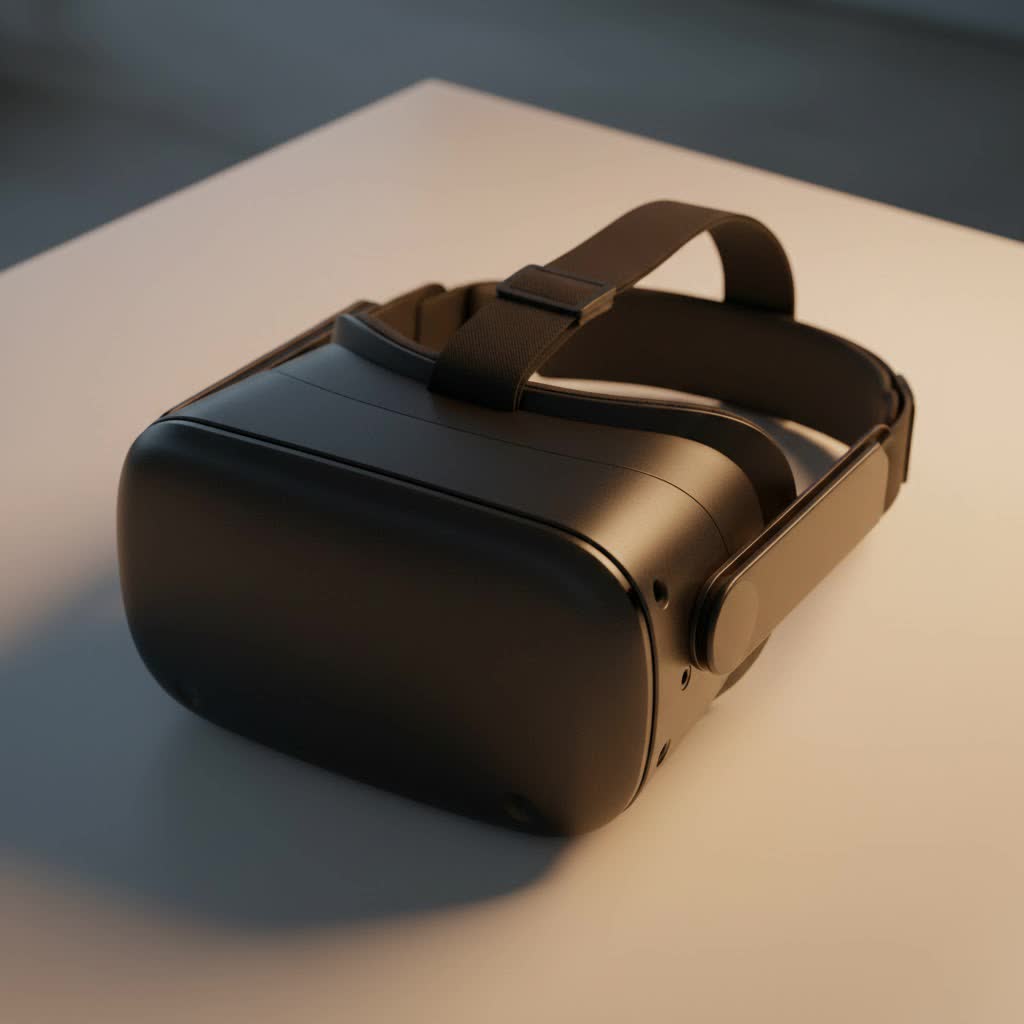
But with this simplicity comes a new challenge: choosing the right one. The market is buzzing with incredible options, each tailored to different needs and budgets. Are you a hardcore gamer seeking the highest fidelity, a casual user looking for an affordable entry point, or a tech pioneer eager to explore the cutting edge of mixed reality? This guide will break down the top contenders of 2025, helping you find the perfect device to start your wireless VR journey.
What Exactly is a Standalone VR Headset?
Before we dive into our top picks, let’s quickly clarify what we’re talking about. A standalone VR headset is a self-contained device that doesn’t require any external hardware to operate. Unlike PC VR headsets (like the HTC Vive Pro 2 or Valve Index) that need a powerful computer or console-based VR (like the PlayStation VR2) that needs a PS5, a standalone unit has its own brain. This “all-in-one” design gives you the freedom to play anywhere, anytime, making it the most accessible and popular form of virtual reality today.
Our Top Picks for the Best Standalone VR Headset
After extensive testing and hands-on comparisons, we’ve narrowed down the field to the absolute best standalone VR headsets you can buy in 2025.
Meta Quest 3: The Unbeatable All-Rounder
If you’re looking for one headset that does it all—and does it exceptionally well—the Meta Quest 3 is the undisputed champion. It hits the sweet spot between price, performance, and features, making it the best choice for the vast majority of users.
Powered by the potent Snapdragon XR2 Gen 2 chip, the Quest 3 delivers smooth, high-fidelity experiences. Its high-resolution display (2064 x 2208 pixels per eye) combined with innovative pancake lenses provides edge-to-edge clarity that’s a significant leap from previous generations.
But the real game-changer is its full-color passthrough for mixed reality (MR). The forward-facing cameras allow you to see your real-world surroundings in vivid color, seamlessly blending virtual objects with your living room. You can have a virtual board game on your coffee table or fight digital aliens bursting through your actual walls.
- Best for: Gamers, mixed reality enthusiasts, and anyone seeking the best value for a high-end experience.
- Key Strengths: Excellent performance, sharp visuals with pancake lenses, fantastic mixed reality capabilities, and access to the largest VR game and app library.
- Keep in mind: The included fabric strap is functional but not the most comfortable for long sessions; many users opt for an aftermarket elite strap. Battery life hovers around two hours, which is standard but might feel short for marathon gamers.
|
Our Picks for the Best VR Headset in 2026
As an Amazon Associate I earn from qualifying purchases.
|
||
| Num | Product | Action |
|---|---|---|
| 1 | PlayStation VR2 (PSVR2) |

|
| 2 | Oculus Quest 2 Advanced All-in-One Virtual Reality Gmaing VR Headset 128GB Set, White |
|
| 3 | FEEBZ 3D VR Headset for Kids 2.0 + Android Remote - for iPhone & Android Phones - with 3D VR Videos & Apps Links - Virtual Reality Goggles Set for Beginners |
|
| 4 | Meta Quest 2 — Advanced All-In-One Virtual Reality Headset — 256 GB (Renewed) |
|
| 5 | VR Headset for Phone, Virtual Reality Glasses with Bluetooth Headphones for Adults and Kids Play 3D VR Games Movies (White VR Only) |
|
| 6 | PlayStation VR2 Horizon Call of The Mountain™ Bundle (PSVR2) |
|
| 7 | VR Headset for Nintendo Switch 2 (2025), Switch 2 Virtual Reality VR Glasses with Adjustable HD Lenses and Comfortable Head Strap, Labo VR Kit 3D Goggles for Switch 2 Accessories, White&Blue |
|
| 8 | Oculus Quest 2 VR Headset 128GB Holiday Set - Advanced All-in-One Virtual Reality Headset Cover Set, White |
|
| 9 | FEEBZ 3D VR Headset for Kids 2.0 + Android Remote - for iPhone & Android Phones - with 3D VR Videos & Apps Links - Virtual Reality Goggles Set for Beginners |
|
| 10 | DESTEK V5 VR Headset for Kids w/VR Gamepad, 128 Premium VR apps Included, Anti-Blue Eyes Protected HD Lenses, 110° FOV Virtual Reality Headsets for iPhone, Android Phone- Black |
|
Meta Quest 3S: The Best Budget-Friendly Gateway
Want to get into VR without breaking the bank? The Meta Quest 3S is your answer. It makes smart compromises to achieve an incredibly accessible price point while retaining the core magic of its more expensive sibling.
Crucially, the Quest 3S uses the same powerful Snapdragon XR2 Gen 2 processor as the Quest 3, ensuring it can run all the latest and greatest games smoothly. The main trade-offs are in the optics. It uses older Fresnel lenses, which means the “sweet spot” of perfect clarity is smaller, and the resolution is slightly lower (1832 x 1920 per eye). While the passthrough is in color, it’s not as sharp as the Quest 3’s. However, for a first-time VR user, these differences are minor in the face of the incredible value offered.
- Best for: Beginners, budget-conscious buyers, and families looking for an affordable way to share VR.
- Key Strengths: Unbeatable price, same powerful processor and game library as the Quest 3, provides a complete and compelling VR experience out of the box.
- Keep in mind: The visuals aren’t as crisp as the Quest 3, and the controller tracking, while good, is a slight step down.
Apple Vision Pro: The Premium Spatial Computer
Apple doesn’t call the Vision Pro a VR headset; it calls it a “spatial computer.” After using it, you understand why. This device is less of a gaming machine and more of a glimpse into the future of computing. Its primary focus is on seamlessly blending digital content with your physical world for productivity and entertainment.
The hardware is breathtaking. The displays are ultra-high resolution, and the user interface, controlled entirely by your eyes and hands, feels like science fiction made real. You simply look at an icon and pinch your fingers to select it. The video passthrough is so good it feels like you’re looking through clear glass. However, this premium experience comes with an eye-watering price tag and a tethered battery pack that lasts about two hours.
- Best for: Tech pioneers, developers, professionals, and early adopters with a very large budget.
- Key Strengths: Revolutionary eye-and-hand tracking controls, best-in-class mixed reality experience, stunning display quality, and seamless integration with the Apple ecosystem.
- Keep in mind: It is prohibitively expensive for most, has a smaller gaming library, and is heavier than its competitors.
Pico 4: The Strongest Meta Alternative
If you’re looking for a great headset outside of the Meta ecosystem, the Pico 4 is a formidable contender, especially in regions like Europe and Asia where it’s more readily available. The Pico 4 goes head-to-head with the Quest 3 on specs, boasting a high resolution (2160 x 2160 per eye), pancake lenses, and a slim, comfortable design.
Many users find the Pico 4’s weight distribution, which places the battery at the back of the strap, to be more comfortable than the front-heavy design of the Quest. It offers a fantastic visual experience and solid performance for both standalone VR and wireless PC VR streaming. The main drawback is its content library, which, while growing, is still smaller than Meta’s massive store.
- Best for: Users seeking a comfortable alternative to Meta’s headsets, especially for PC VR streaming and media consumption.
- Key Strengths: Excellent comfort and ergonomics, high-resolution display with pancake lenses, and a competitive price point.
- Keep in mind: Limited availability in the US and a smaller native app store are its biggest hurdles.
How to Choose the Best Standalone VR Headset for You
Feeling overwhelmed by the options? Let’s break down the key factors to consider.
What Is Your Primary Goal?
- For Gaming: The Meta Quest 3 is your best bet. Its powerful processor, great visuals, and enormous library of exclusive and multi-platform games make it the ultimate standalone gaming machine.
- For Mixed Reality: The Apple Vision Pro is in a league of its own, but for a more accessible price, the Meta Quest 3 offers a fantastic and fun MR experience that is constantly improving with new apps.
- For General Use & Media: Any of the top headsets work well for watching movies or using social apps. The Pico 4’s comfort can be a plus for long movie-watching sessions.
- For an Affordable Start: The Meta Quest 3S is the clear winner, offering the best bang for your buck without significant compromises on the core experience.
Key Features to Compare
| Feature | Meta Quest 3 | Meta Quest 3S | Apple Vision Pro | Pico 4 |
|---|---|---|---|---|
| Price | Mid-Range ($499+) | Budget ($299+) | Ultra-Premium ($3,499+) | Mid-Range |
| Resolution | High | Good | Very High | High |
| Lenses | Pancake | Fresnel | Custom | Pancake |
| Processor | Snapdragon XR2 Gen 2 | Snapdragon XR2 Gen 2 | Apple M2 Chip | Snapdragon XR2 |
| Best Feature | Mixed Reality | Value for Money | Eye/Hand Tracking | Comfort |
| Ecosystem | Largest | Largest | Growing | Smaller |
Don’t Forget Comfort and Content
A headset’s specs are meaningless if it’s too uncomfortable to wear for more than 20 minutes. Comfort is subjective, but factors like weight, balance, and the quality of the head strap are crucial. The Pico 4 often wins praise for its balanced design, while Quest users frequently upgrade to third-party straps for better support.
Finally, consider the games and apps. A VR headset is nothing without great content. Meta has spent years building the most robust and diverse content library, which is a major reason why the Quest 3 and 3S are such compelling choices.
Frequently Asked Questions
Can you use a standalone VR headset with a PC?
Yes! Most modern standalone headsets, including the Meta Quest and Pico series, can connect to a PC either with a USB-C cable (like Meta Link) or wirelessly (with apps like Air Link or Virtual Desktop). This allows you to play high-fidelity PC VR games, giving you the best of both worlds: untethered freedom and the power of a gaming PC.
What should I do if VR makes me feel motion sick?
Motion sickness is a common concern for newcomers. The key is to start slowly. Begin with stationary or room-scale games where your in-game movement matches your real-world movement (like Beat Saber or Superhot VR). Avoid games with artificial joystick movement at first. Play in short sessions and take a break as soon as you feel any discomfort. Over time, most people build up their “VR legs” and the feeling subsides.
Is standalone VR as good as PC VR?
It’s a trade-off. PC VR can still achieve higher graphical fidelity because it can leverage the power of high-end graphics cards. However, the processing power of standalone headsets like the Quest 3 is incredibly impressive and closing the gap. For most people, the freedom and convenience of standalone VR far outweigh the slight visual downgrade.
Conclusion: Your Virtual World Awaits
Choosing the best standalone VR headset in 2025 comes down to a clear choice based on your priorities. For the vast majority of people, the Meta Quest 3 offers a phenomenal, feature-rich experience that justifies its price, acting as a gateway to incredible gaming and mixed reality. If you’re looking to enter the world of VR with minimal investment, the Meta Quest 3S provides an outstanding experience and unbeatable value.
While high-end devices like the Apple Vision Pro show us an exciting future, and alternatives like the Pico 4 provide healthy competition, Meta’s Quest platform remains the most complete, accessible, and content-rich ecosystem for standalone virtual reality. Whichever you choose, an amazing universe of untethered immersion is waiting for you. Grab a headset, clear some space, and get ready to play.
